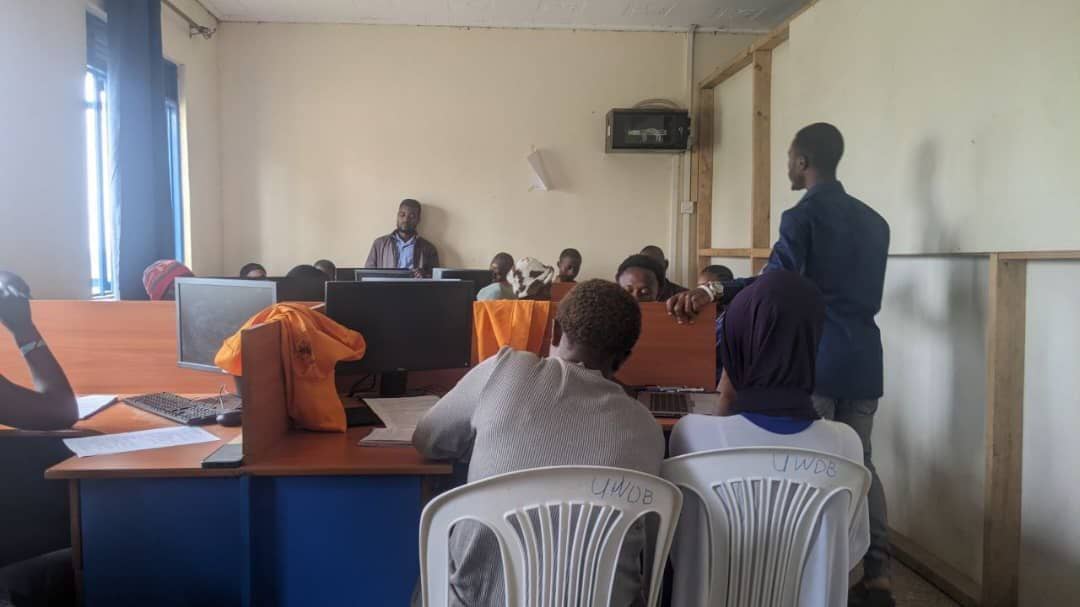
Novus Terra Digital Hub
Empowering Refugee and Rural Communities Through Digital Literacy
CEI Charity Uganda, in partnership with the Pope John Paul II Foundation, is pioneering a grassroots digital skills training program designed specifically for refugee and rural communities in Uganda. This initiative addresses the critical digital divide that excludes marginalized populations from participating in the modern economy.
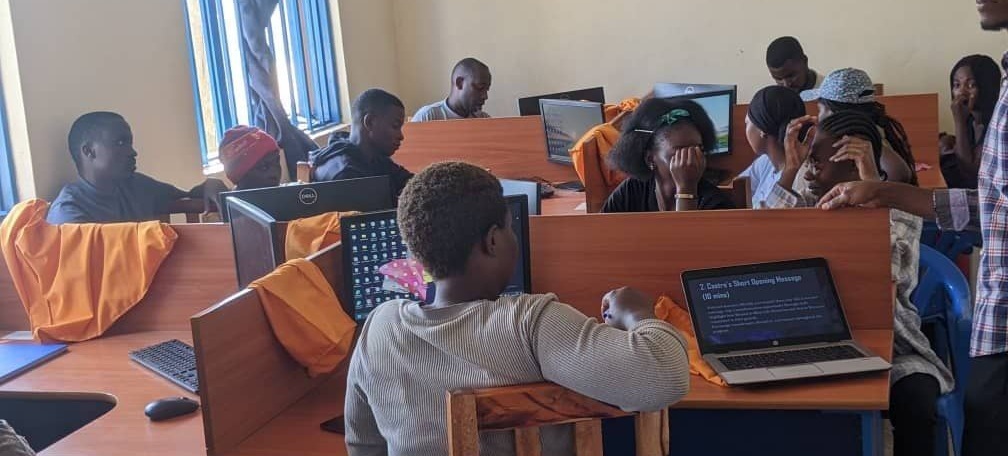
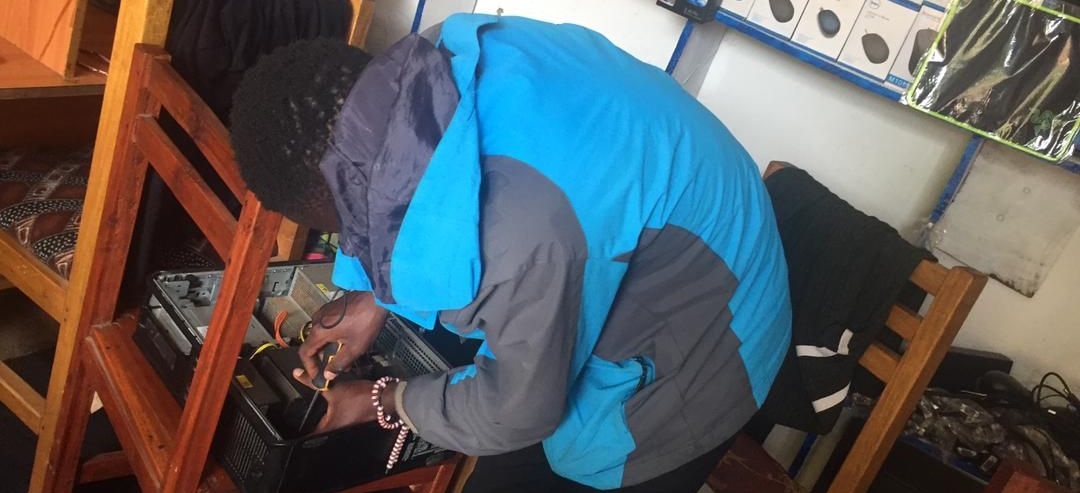
Our Mission
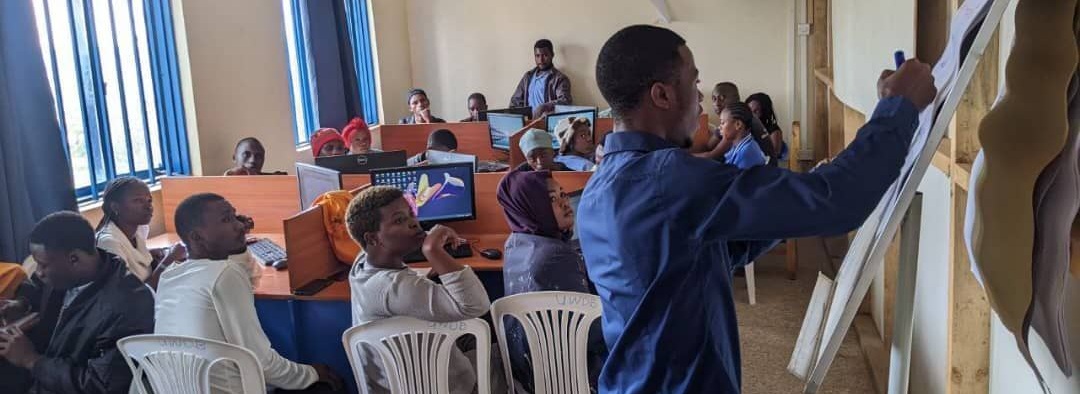
Through the Novus Terra Empowerment Hub model, we deliver practical digital skills training without requiring reliable internet connectivity or English fluency—barriers that typically exclude rural and refugee communities from digital education. Our approach is built on over a decade of experience working directly with communities to develop solutions that work in their reality.
The Challenge
In Uganda, 80% of the population lives in rural areas, yet less than 13% have access to electricity and under 10% have regular internet use. The situation is even more critical in refugee settlements like Kyaka II, home to over 130,000 refugees. Traditional digital training programs are designed for urban environments, assuming reliable infrastructure and English proficiency—conditions that simply do not exist in these contexts.
Our Impact Since 2012
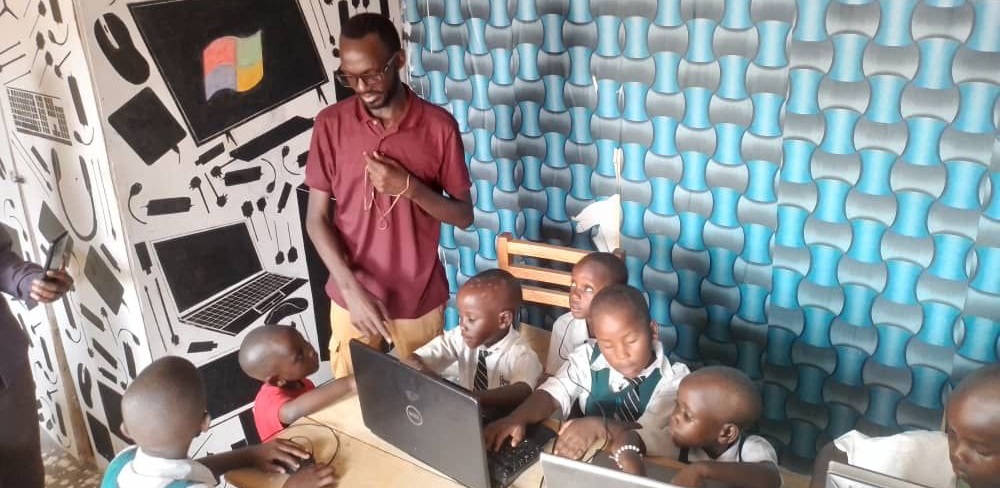
- Trained 350+ children and youth across multiple rural sites
- Provided individualized, capacity-based training to 100 learners
- Supported the launch of 8 independent empowerment hubs by program graduates
- Successfully implemented programs in Kyaka II refugee settlement
Our Approach
Our methodology is grounded in three core principles:
Community-Centered Design
We document and implement grassroots capability-based training models that operate effectively in deep rural areas of Uganda, ensuring solutions are built for local realities rather than urban assumptions.
Embedded Practice
Our approach offers empirical lessons from practitioners directly embedded in refugee and rural settings, ensuring our programs are informed by real-world experience and continuous learning.
Local Innovation
We demonstrate that rural communities generate their own solutions rather than passively receiving technologies designed for urban environments, positioning communities as active innovators in their development.
Addressing Current Limitations
While our model has proven successful, we recognize areas for improvement:
- Limited offline learning capabilities
- Lack of local language interfaces
- Dependence on instructor presence
We are addressing these challenges through participatory design methods, working directly with refugee and rural learners to co-create offline, local-language digital training tools.
Strategic Partnership
Our collaboration with the Pope John Paul II Foundation aligns with shared objectives:
| Shared Objective | Our Contribution |
|---|---|
| Promoting human dignity and integral development | Empowering refugees and rural communities with future-ready digital skills |
| Supporting education for the marginalized | Delivering accessible, offline-capable training to those excluded from mainstream education |
| Encouraging solidarity across boundaries | Building connections across refugee-host community lines in Kyaka II |
| Enabling local self-sustaining solutions | Supporting graduates to launch independent hubs, creating community-owned models |
Our Planned Activities
| Initiative | Lead | First Year Target |
|---|---|---|
| ICT training deployment in Kyaka II | CEI Charity Uganda | 200+ refugees trained |
| Pilot offline/local-language learning platform | Joint Partnership | Co-designed with local learners |
| Resource mobilization (devices, trainers, stipends) | Pope John Paul II Foundation | In-kind and financial support |
| Research & documentation | CEI Charity Uganda | Academic publications and impact reports |
| Joint fundraising | Both Organizations | DAAD, UNHCR, Vatican, and EU funding opportunities |
Expected Impact
Community Impact
- 200+ refugees and rural youth will acquire foundational digital skills
- Increased access to online education, economic opportunities, and communication tools
- Sustainable community-owned training hubs operated by local graduates
Research Contributions
- Documentation of a replicable grassroots digital training model
- Development of co-designed offline/local-language learning prototypes
- Academic contributions to ICT4D and participatory design literature
Partnership Outcomes
- Demonstrated model of effective faith-based and community-led collaboration
- Joint publications and comprehensive donor reporting
- Scalable framework applicable to other refugee settlements in Uganda
Academic Collaboration
This initiative supports ongoing doctoral research focused on digital inclusion in marginalized communities. The program provides a real-world intervention site for participatory design research, generating empirical data on offline learning solutions while demonstrating how rural communities innovate to address their own challenges. This research will be pursued in collaboration with German universities specializing in ICT4D and participatory design.
Partner With Us